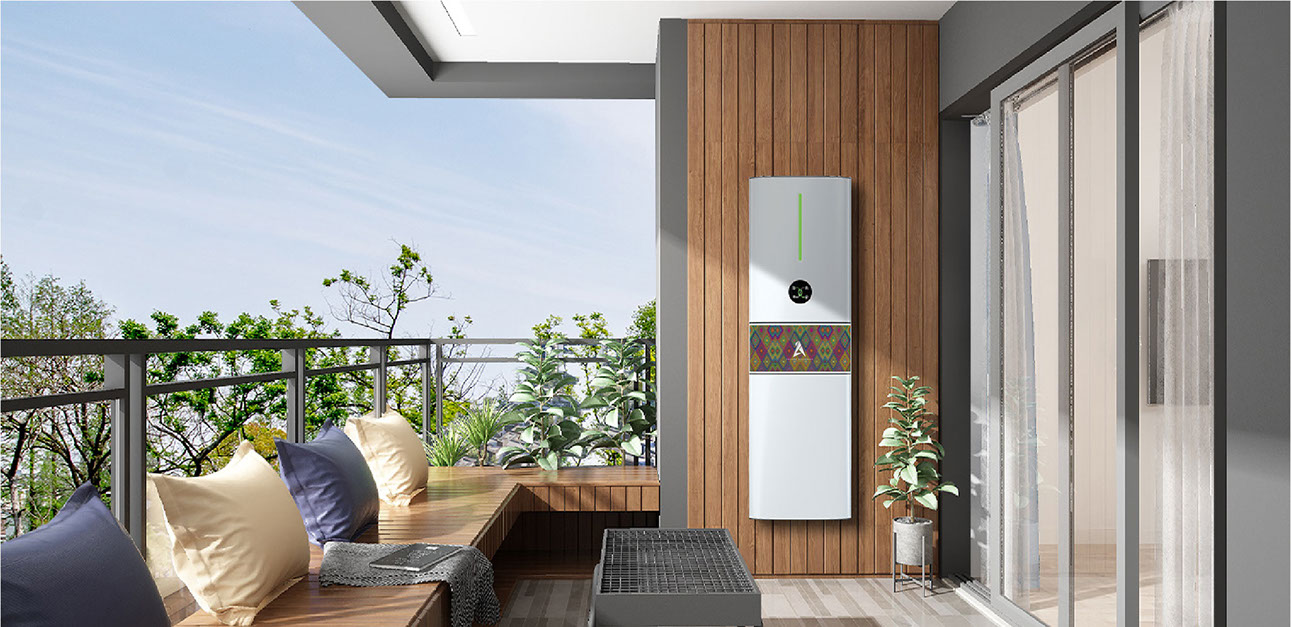

MANUFACTURING I TECHNOLOGY I ENERGY
Tricore Resources manufactures energy equipment and accessories in China and distributes all over the world. We have groundbreaking technology that allows our clients to maximise ultiliy and productivity.
Our products are European standards and approved globally. We have ventured out in expanding our range of products to include various products in order to create an ecosystem.
We ship products to various countries and designs are tailor based according to specific landscapes and terrain around the world to ensure we deliver quality product products to our clients.

Solar Equipment Manufacturing
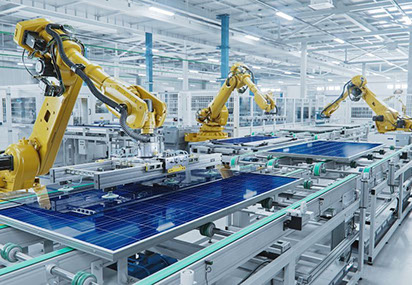

- Monocrystalline Solar Panels
- Polycrystalline Solar Panels
- Thin-Film Solar Panels
- PERC Solar Panels

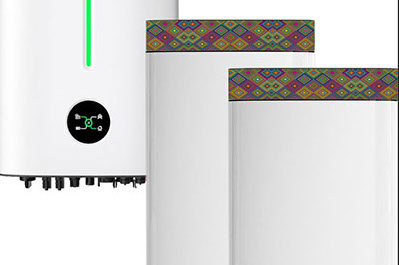
- African Print Design
- High Capacity Batteries
- Available for Commercial and Domestic use
- Long lasting Li-O4, Li-NMC, Li-NCA, LiCoO 2
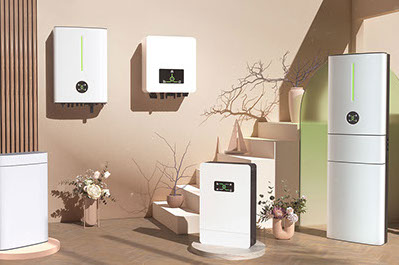

Inverters
- String Inverter , Hybrid Inverter, Microinverter, Central Inverter
- Low & High Capacity Inverters
- Available for Commercial and Domestic use


Batteries

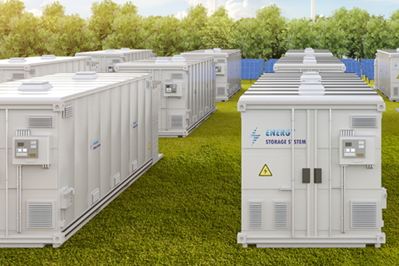
- Available in 12v, 24v, 48v
- Good for Outdoors & Traveling
- Lightweight with usb and 3 pin plug
- Solar panel and grid compatible
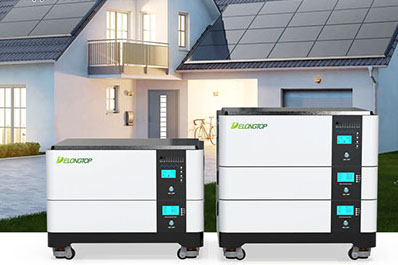
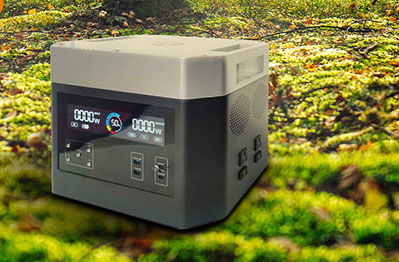
- Portable , Easy to use, Plug n Play
- A solar all-in-one inverter typically combines the functions of both a charge controller & inverter
- Available for Commercial and Domestic use
- Offgrid Solar Storage System: not connected to the public utility grid
- On-Grid Solar Storage System On-Grid storage systems






All in 1
Portable
Storage

Home Systems
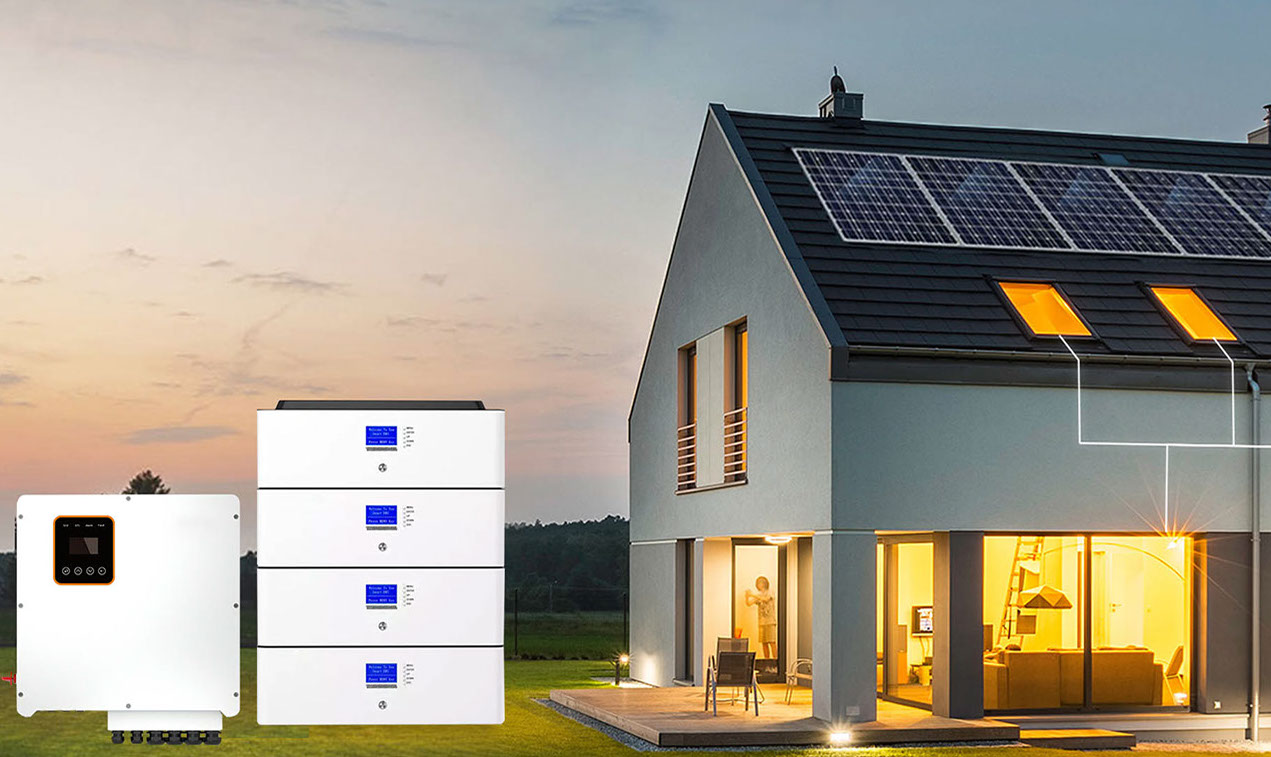
All-in-one solar units for homes are a great way to simplify the installation and use of solar energy. Here are some key features and benefits:
Key Features
Integrated Design: We combines solar panels, inverter, charge controller, and battery storage into a single unit.
Ease of Installation: Tricore simplifies the setup process, often requiring minimal technical expertise.
Space-Saving: Our compact designs take up less space compared to traditional solar setup.
Efficiency: Tricore optimized components work seamlessly together to maximize energy production and storage.
Portability: Some units are designed to be portable, making them ideal for temporary setup or moving between locations.
Benefits:
Cost-Effective: We have a to need reduce for multiple separate components, potentially lowering overall costs.
Reliability: Integrated systems are often more reliable due to the compatibility of components.
Scalability: Our systems can be easily expanded by adding more units as energy needs grow.
Sustainability: Provides a renewable energy source, reducing reliance on fossil fuels and lowering carbon footprint.

Our Batteries
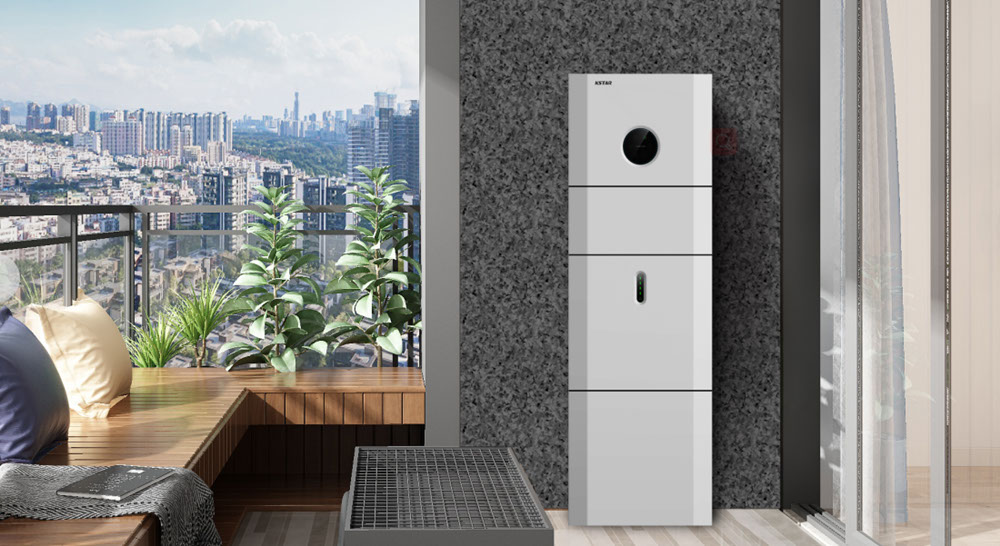
Lithium Iron Phosphate (LFP)
Cathode Material: Phosphate
Anode: Graphitic carbon
Benefits: Long life cycle, good thermal stability, and safety.
Common Use: Replacing lead-acid deep-cycle batteries.
Lithium Cobalt Oxide (LCO)
Cathode Material: Cobalt oxide
Benefits: High energy density
Common Use: Consumer electronics like Pc & phones.
Lithium Manganese Oxide (LMO)
Cathode Material: Manganese oxide
Benefits: Fast charging and discharging
Common Use: Power tools, medical devices.
Lithium Nickel Manganese Cobalt Oxide (NMC)
Cathode Materials: Nickel, manganese, and cobalt oxides
Benefits: High performance
Common Use: Electric vehicles, power banks.
Lithium Nickel Cobalt Aluminium Oxide (NCA)
Cathode Materials: Nickel, cobalt, and aluminium oxides
Benefits: High energy density
Common Use: Electric vehicles, aerospace applications.
Other Types:
Prismatic cells (used in electric vehicles) and pouch cells
(lightweight and flexible for wearable) are also common.
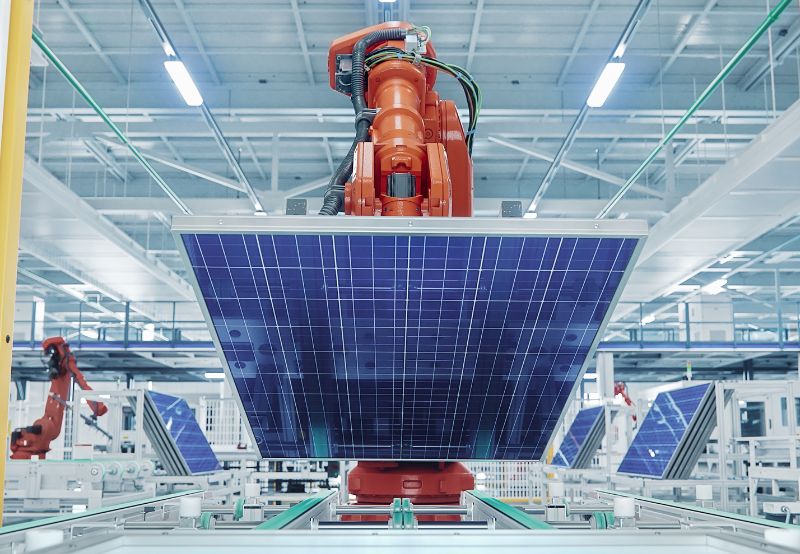
We have are several types of solar panels, each with own advantages and applications:
Mono-crystalline Solar Panels: Made from a single, pure silicon crystal, these panels are the most efficient and have a long lifespan. They are ideal for residential installations with limited roof space.
Polycrystalline Solar Panels: These are made from multiple silicon crystals and are generally less expensive but also less efficient than mono-crystalline panels. They are a good option if you have a larger roof area.
Thin-Film Solar Panels: These panels are lightweight and flexible, making them suitable for portable applications like RVs or boats. However, they are less efficient compared to crystalline panels.
PERC Solar Panels: Passivated Emitter and Rear Contact (PERC) panels have an additional layer that increases energy absorption, making them more efficient than standard mono-crystalline panels.
CIGS Solar Panels: These are a type of thin-film panel made from copper, indium, gallium, and selenium. They offer good efficiency and flexibility.
CdTe Solar Panels: Another type of thin-film panel, these are made from cadmium telluride and are known for their low production costs.
a-Si Solar Panels: Amorphous silicon panels are a type of thin-film panel that is less efficient but cheaper to produce.

Our Solar Panels
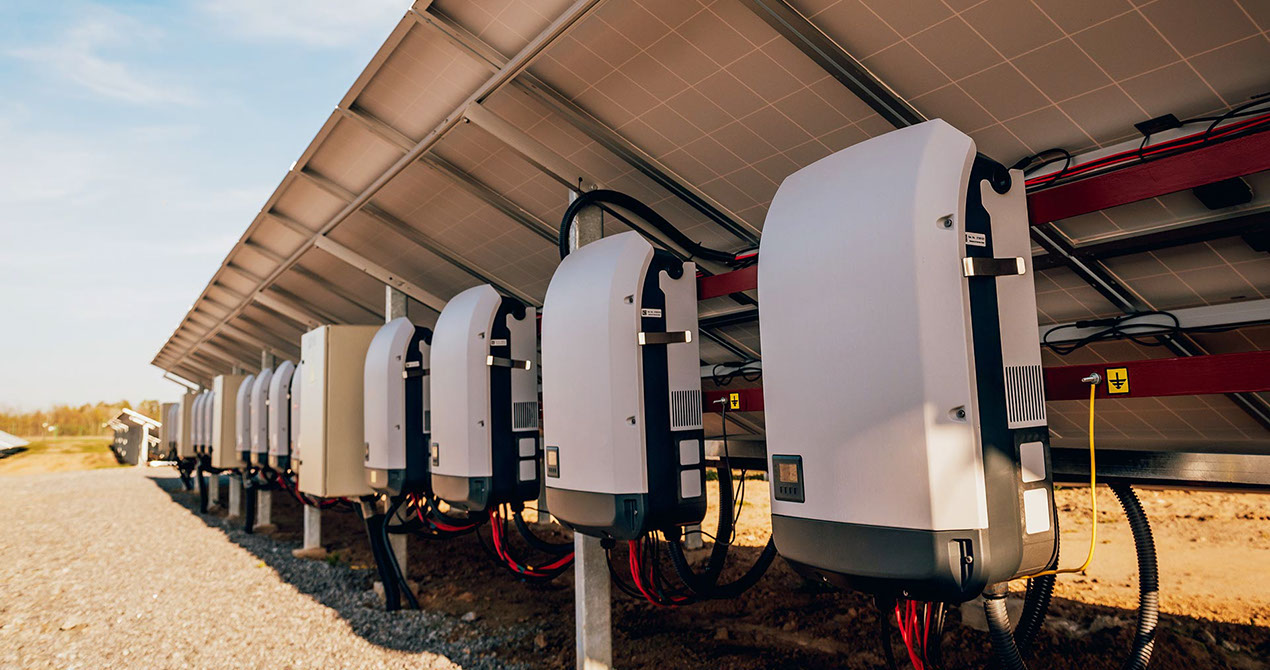
Tricore has several types of solar inverters, each with its own advantages and applications:
String Inverter: The most common and cost-effective type. It connects a series of solar panels (a string) to a single inverter. Ideal for installations with minimal shading and uniform panel orientation.
Microinverter: Small inverters installed on each solar panel. They convert DC to AC at the panel level, which improves efficiency and performance, especially in shaded conditions.
Power Optimizer: Works with a string inverter to optimize the power output of each panel. It helps mitigate the impact of shading and panel mismatches1.
Central Inverter: Used in large-scale solar installations. It connects multiple strings of panels to a single, large inverter.
Battery Inverter: Specifically designed to connect a battery storage system to the solar array, allowing for energy storage and use during non-sunny periods.
Hybrid Inverter: Combines the functions of a solar inverter and a battery inverter, allowing for both grid-tied and off-grid applications.

Our Inverters
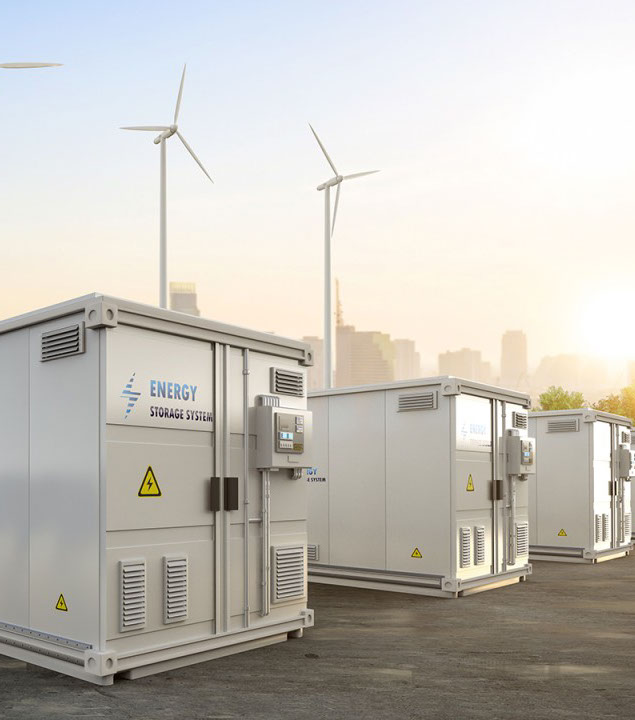

Our Storage
We have several types of solar storage units, each with its own advantages and applications. Here are some of the most common ones:
Lithium-Ion Batteries: These are the most popular type of solar storage due to their high energy density, efficiency, and decreasing costs. They are commonly used in residential and commercial solar systems.
Lead-Acid Batteries: These are one of the oldest types of rechargeable batteries and are often used in off-grid solar systems. They are less expensive than lithium-ion batteries but have a shorter lifespan and lower efficiency.
Flow Batteries: These batteries use liquid electrolytes to store energy and can be scaled up easily for large storage needs. They have a long lifespan and are suitable for large-scale solar projects.
Thermal Storage: This type of storage uses materials like molten salts to store heat generated by solar thermal power plants. The stored heat can then be used to generate electricity when needed.
Mechanical Storage: This includes technologies like pumped hydroelectric storage and flywheels. Pumped hydro stores energy by moving water between two reservoirs at different elevations, while flywheels store energy in the form of rotational kinetic energy.
Hydrogen Storage: This involves using solar energy to produce hydrogen through electrolysis. The hydrogen can then be stored and used to generate electricity later.

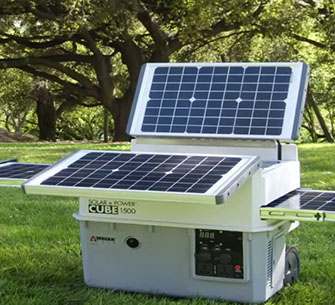



Solar Power Generators
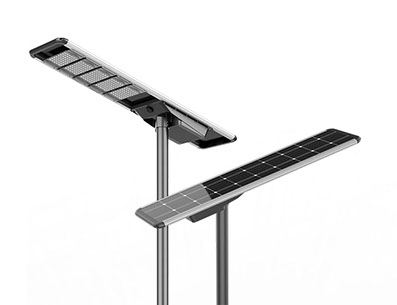
All-in-One Solar Street Lights
Solar Power Generators
The company manufactures All-in-one solar units are self-contained systems that integrate multiple components of a solar power system into a single, compact unit. These are popular for their ease of installation, portability, and versatility. Here are the main types of all-in-one solar units:
Description: Portable units that combine solar panels, a battery, charge controller & inverter into a single device.
Use Cases: Ideal for camping, RVs, emergency backup, and small off-grid applications.
Key Features: Portability, easy setup, and AC/DC output options.
Description: Solar-powered lights with integrated solar panels, battery, controller, and LED lamp in a single unit.
Use Cases: Street lighting, parking lots, and pathway illumination.
Key Features: Automatic operation (dusk to dawn), motion sensors, and low maintenance.
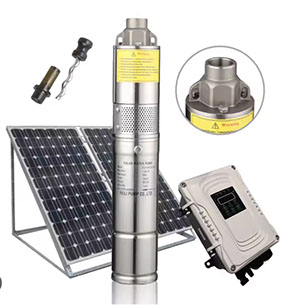
Description: Systems that combine a solar panel, water pump, controller & sometimes a battery in one package.
Use Cases: Irrigation, livestock watering, and remote water supply.
Key Features: Off-grid water pumping, energy-efficient, and reliable in remote locations.

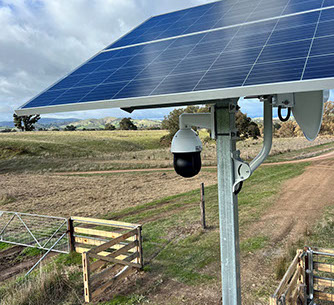

Solar-Powered Surveillance Systems


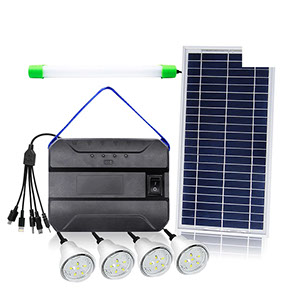
Solar Home Lighting Kits
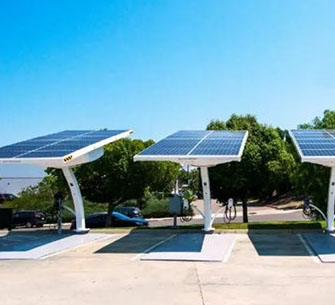
Solar Charging Stations
Description: Kits that include a solar panel, battery, charge controller, and several LED lights.
Use Cases: Rural electrification, emergency lighting, and small off-grid homes.
Key Features: Easy installation, multiple light options, and USB ports for charging small devices.
Description: Surveillance cameras integrated with solar panels and batteries for continuous off-grid operation.
Use Cases: Remote monitoring, wildlife observation, and security for off-grid locations.
Key Features: Wireless operation, remote monitoring, and high-definition video capture.
Description: Standalone units combine solar panels, a battery bank & multi charging ports for electronic devices.
Use Cases: Public charging points, disaster relief, outdoor events.
Key Features: High-capacity charging, weather-resistant design, and multiple device compatibility.

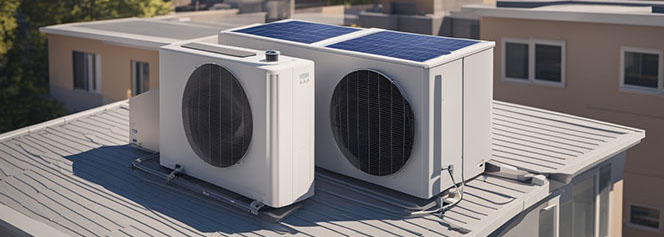
Description: Air conditioning units that integrate solar panels, a battery, and an inverter.
Use Cases: Off-grid cooling solutions, energy savings in homes, and remote locations.
Key Features: Energy efficiency, hybrid operation (solar + grid), and programmable settings.
Each type serves specific needs, from powering small devices and homes to lighting public spaces or pumping water in remote areas. The choice of unit depends on the intended application and energy requirements.
Solar-Powered Air Conditioners

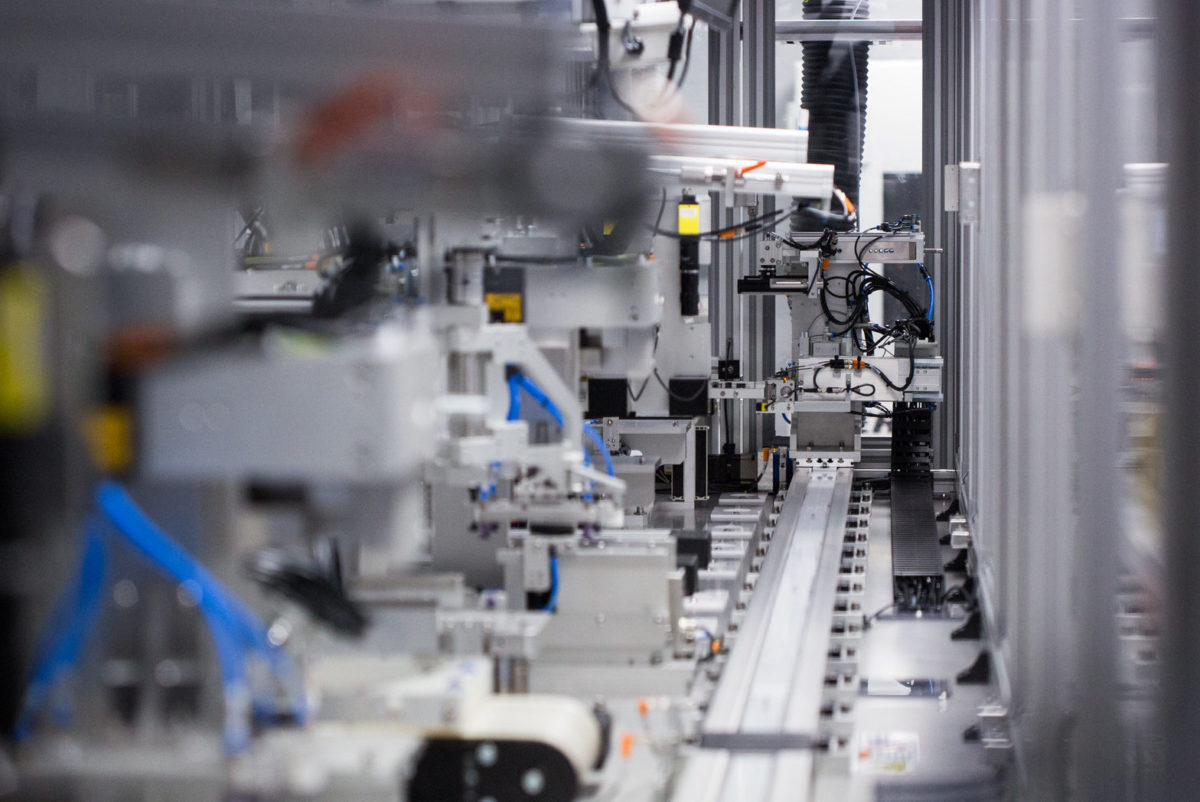
Our China Manufacturing Plant
Cost-Effectiveness: One of our primary reasons businesses choose China is the potential for reduced costs. Lower labor costs, efficient production processes, and economies of scale can lead to significant savings.
Advanced Manufacturing Infrastructure: China has invested heavily in its manufacturing tech & facilities, allowing us a wide range of products to be produced quickly & to a high standard with help of German engineers.
Extensive Supply Chain Ecosystem: Tricore has a well-developed network of suppliers, manufacturers, and logistics companies, which simplifies logistics, reduces transportation costs, and shortens lead times.
Skilled Labor: The facility has a vast pool of skilled labor available at relatively low costs, which is crucial for maintaining high production standards.
Government Support: The Chinese government offers various incentives to support the manufacturing sector, including subsidies and tax benefits, especially in Special Economic Zones designed to attract foreign investment.
Scalability: We can handle large order volumes, making it easier for businesses to scale up production as needed without compromising on turnaround times.
Innovation and Technology: Partnering with us can provide access to cutting-edge technology and innovative production methods through manufacturing
In our line of business Tricore has invested fully in understanding the nature of choosing the right ecosystem to engage in manufacturing products. These Processes include:

To join our mailing list, and get the latest information about us
sign up below.
Designed By Colour Flutter